How Professional Dock Builders Can Improve Your Waterfront Property
Owning waterfront property comes with a specific kind of potential, direct water access, better views, and a lifestyle that inland properties simply can’t offer. Whether that potential actually gets realized often comes down to one structure in particular: the dock. Working with experienced dock builders near me rather than attempting a DIY build or hiring an unqualified contractor can make the difference between a dock that enhances your property for decades and one that becomes a recurring source of repairs and frustration.
Here’s a closer look at how professional dock builders actually improve waterfront properties, and what sets quality dock construction apart.
Why dock construction isn’t a job for just anyone
Docks face constant exposure to water, tidal movement, weather, and in many cases, boat traffic and heavy use. Unlike most residential construction, dock building requires specific knowledge of marine environments, water dynamics, and materials engineered to hold up under these conditions. A poorly built dock doesn’t just look bad, it can fail structurally, create safety hazards, or require expensive repairs far sooner than a properly built one would.
How professional dock builders improve waterfront properties
Five things a marine specialist does that a general contractor won’t.
They maximize functional water access
An experienced dock builder designs the structure around how you’ll actually use it, whether that’s boat access, fishing, swimming, or simply enjoying the water view. This goes beyond just building a straight walkway to the water, thoughtful design accounts for water depth, current, and how the dock integrates with your specific shoreline.
They choose materials built for longevity
Professional builders understand which materials perform best in specific water conditions, whether that’s saltwater, brackish water, or freshwater, each of which affects material wear differently. This includes decking materials, hardware, and pilings selected specifically to resist corrosion, rot, and the general wear that comes from constant water exposure.
They design for structural integrity
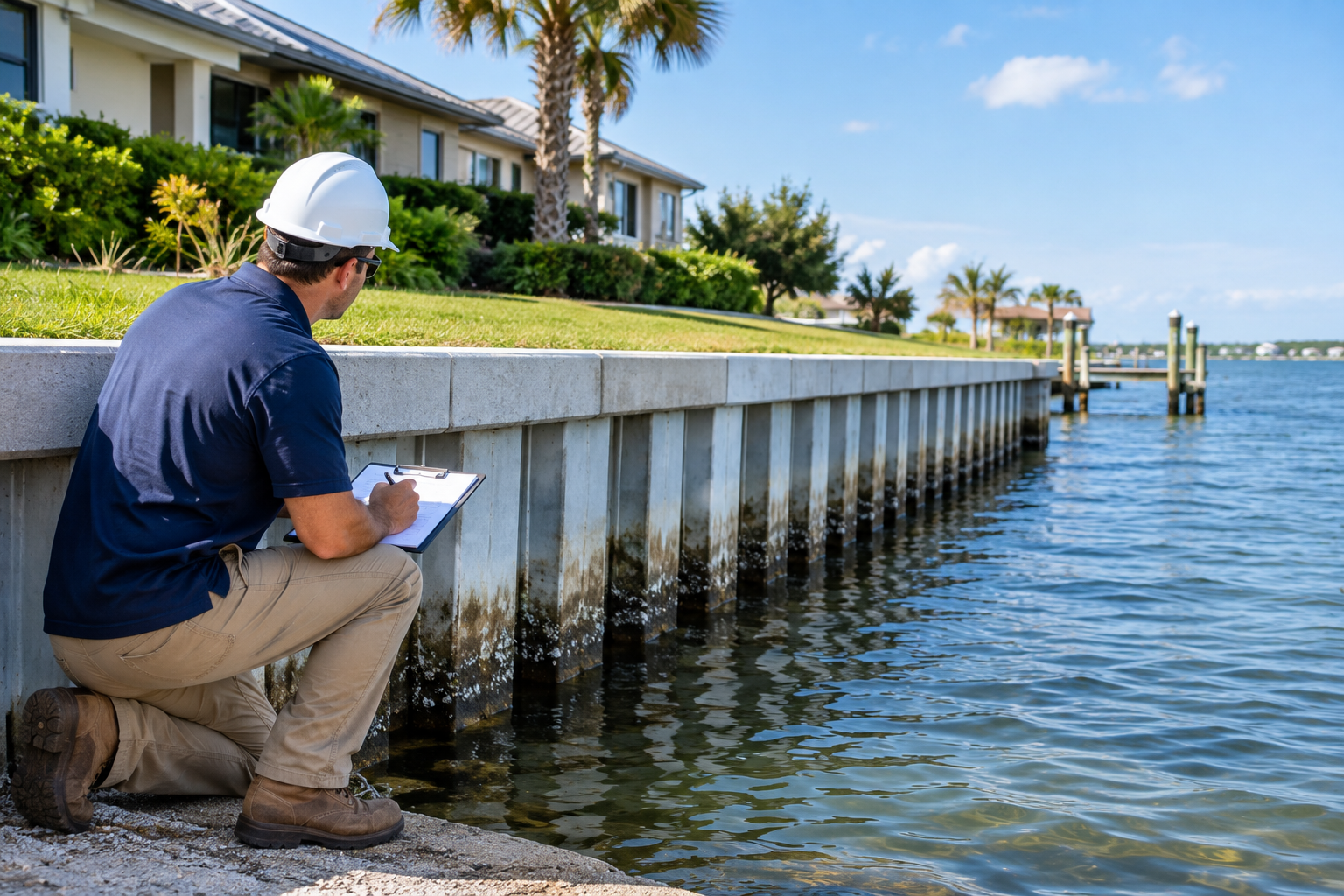
Docks need to withstand not just everyday use, but also storms, tidal shifts, and changing water levels over time. Professional builders factor in proper piling depth, load capacity, and structural bracing to ensure the dock remains stable and safe well beyond just its initial installation.
They navigate permitting and regulatory requirements
Dock construction typically requires permits from local, state, and sometimes federal authorities, particularly given the environmental considerations involved with building on or near protected waterways. Experienced dock builders are familiar with this process and can guide it efficiently, avoiding delays or compliance issues that an inexperienced contractor might not anticipate.
They increase property value
A well-built, properly maintained dock is a genuine asset when it comes to property value, particularly for waterfront homes where buyers specifically prioritize direct water access. A poorly constructed or deteriorating dock, on the other hand, can actually detract from a property’s appeal and become a negotiating point against the seller.
Common dock improvements worth considering
Upgrades that change how the dock actually gets used.
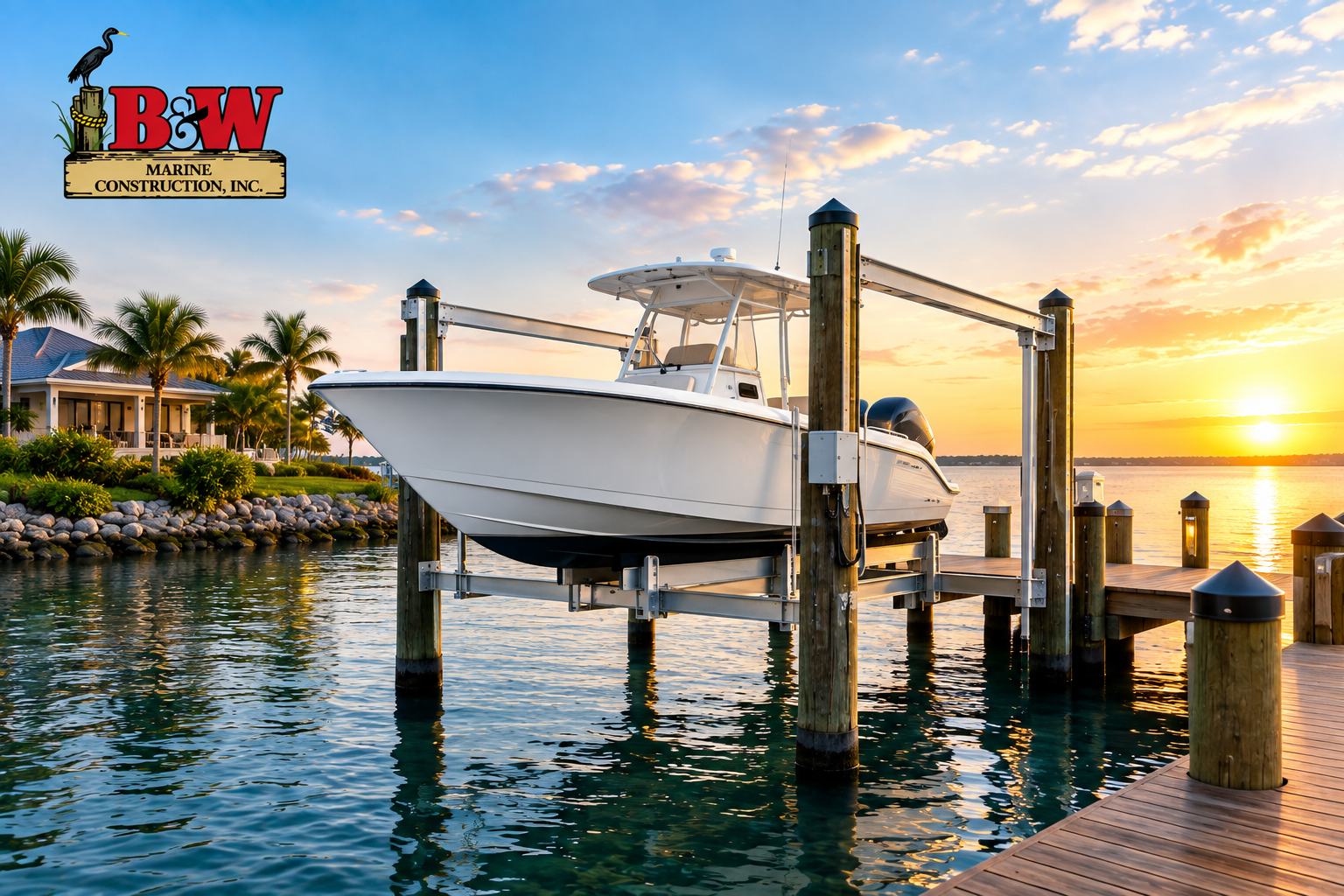
- Boat lifts and accessories — Adding a boat lift protects your vessel from constant water exposure and can extend its lifespan significantly compared to leaving it moored in the water full time.
- Upgraded decking materials — Composite or other low maintenance decking options can reduce the ongoing upkeep required compared to traditional wood, while still holding up well in marine environments.
- Lighting and safety features — Proper lighting improves both usability and safety for evening use, while features like non-slip surfaces add an extra layer of protection, particularly important for docks used frequently by families.
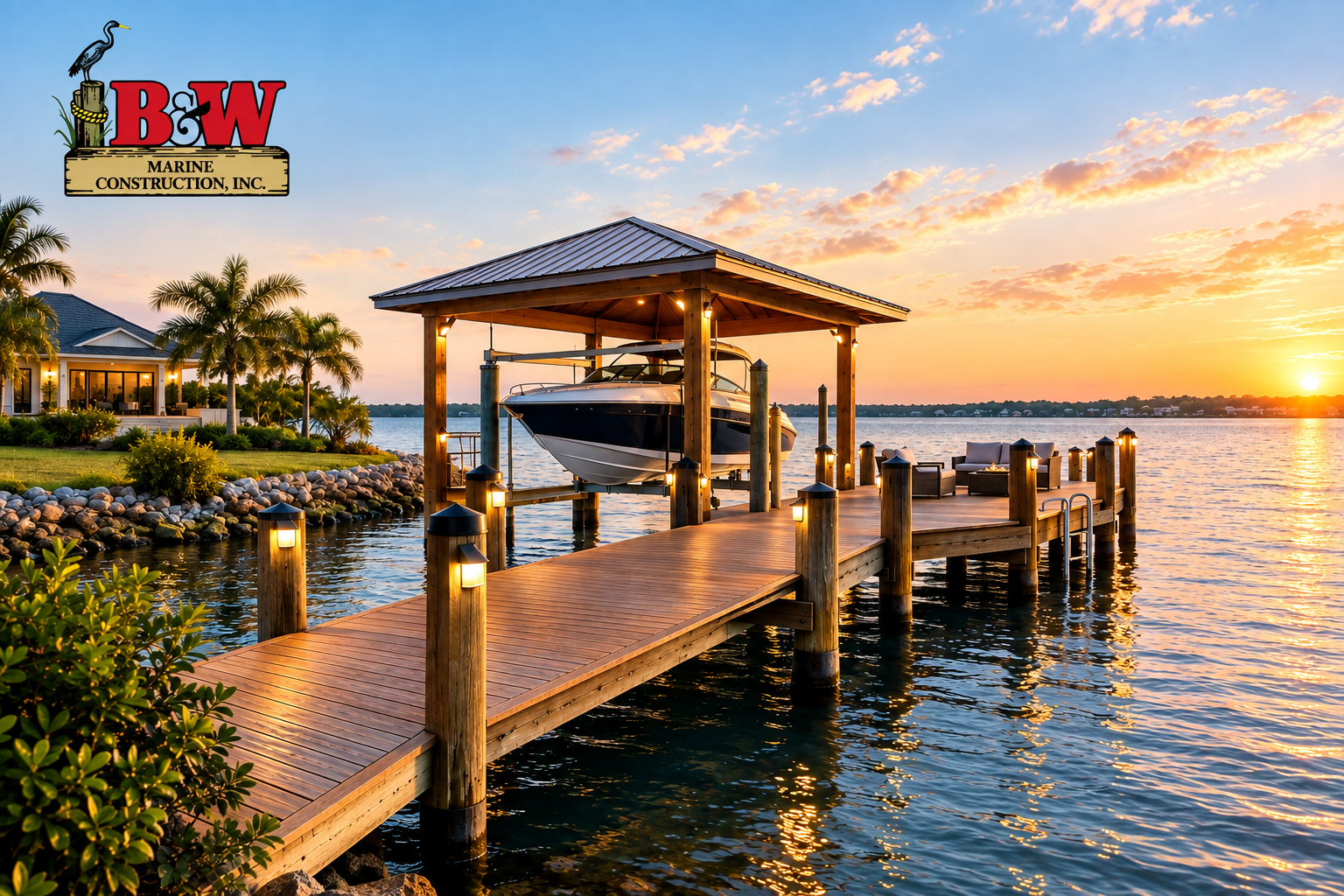
- Expanded design for entertaining — For homeowners who use their waterfront property for gatherings, larger dock designs with seating areas or covered sections can significantly expand how the space gets used beyond just boat access.
What to look for when choosing a dock builder
Five things to confirm before you sign anything.
- Specific experience in marine construction, not just general contracting
- Familiarity with local permitting requirements for waterfront construction
- A clear, detailed proposal outlining materials, timeline, and cost
- References or examples of completed dock projects in similar water conditions to your property
- Proper licensing and insurance, given the scale and environmental complexity of dock construction
Choosing an experienced dock builder, rather than cutting corners on this specific project, pays off significantly over the life of the structure.
Final thoughts
A professionally built dock does more than provide basic water access, it enhances how a waterfront property actually gets used, holds up reliably against constant environmental exposure, and adds genuine long-term value. Choosing an experienced dock builder, rather than cutting corners on this specific project, pays off significantly over the life of the structure.
Thinking about a new dock or an upgrade?
B&W Marine Construction has built docks across Jacksonville and Northeast Florida since 1981. We handle the permitting, match the materials to your water, and can show you finished projects in similar conditions.
Frequently asked questions
How long does professional dock construction typically take?
Timelines vary based on the size and complexity of the dock, as well as permitting requirements, but most residential dock projects take anywhere from a few weeks to a couple of months from approval to completion.
Do I need a permit to build a new dock?
In most cases, yes. Dock construction typically requires permits due to its impact on waterways, and an experienced local builder should be familiar with this process.
What materials are commonly used in professional dock construction?
Common materials include treated wood, composite decking, aluminum, and various piling materials, chosen based on the specific water conditions and durability needs of your property.
How much does it cost to build a new dock?
Costs vary significantly based on size, materials, and site specific conditions, so it’s best to get a detailed, itemized estimate from a qualified local dock builder.
Can an existing dock be upgraded rather than fully rebuilt?
In many cases, yes. Upgrades like new decking, added lighting, or boat lift installation can often be done on an existing structure, depending on its current condition and structural integrity.