Why Professional Boat Lift Installation Matters
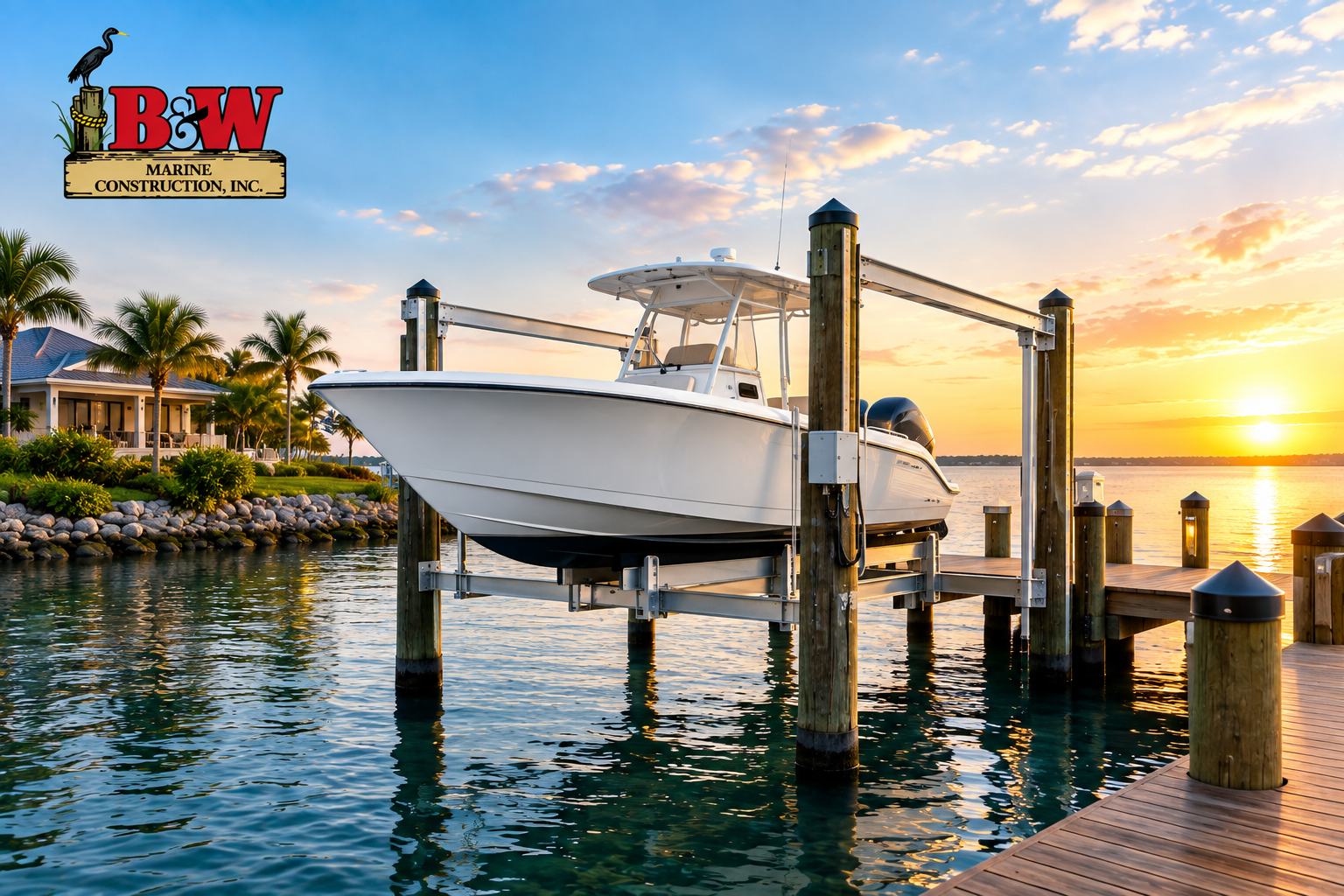
A boat lift seems straightforward enough on the surface, a structure that raises your boat out of the water when it’s not in use. But the difference between a properly installed lift and one that’s been put in without the right expertise becomes obvious fast, sometimes through inconvenient malfunctions, and sometimes through much more costly structural failures. Boat lift installation is one of those projects where cutting corners rarely pays off, and understanding why professional installation matters can save boat owners from expensive problems down the line.
Here’s a closer look at what goes into proper boat lift installation, and why it’s worth prioritizing experienced professionals for this specific project.
What’s actually involved in boat lift installation
Installing a boat lift involves more than just anchoring a structure near the water.
- Assessing water depth and bottom conditions — to determine the right lift type and foundation approach.
- Selecting the appropriate lift capacity — based on the size and weight of the boat it will support.
- Installing pilings correctly — ensuring they’re set at the right depth and positioned to handle both the lift’s weight and environmental stress like currents and storms.
- Properly wiring electrical components — particularly for motorized lifts, in a way that safely withstands constant exposure to water and humidity.
- Calibrating the lift mechanism — so it operates smoothly and evenly, without straining the motor or cables unnecessarily.
Each of these steps requires specific expertise, and mistakes at any stage can compromise the lift’s performance and lifespan significantly.
Why professional installation matters so much
Five places where the difference shows up.
Structural safety
A boat lift supports significant weight, both the boat itself and the ongoing stress of water movement and weather exposure. Improperly installed pilings or structural components can lead to instability, and in worst case scenarios, complete lift failure, which risks both property damage and personal safety.
Long term durability
Marine environments are hard on structures. Saltwater, humidity, and constant water exposure accelerate wear on components that aren’t properly installed or protected from the start. Professional installation accounts for this from day one, using appropriate materials and techniques suited to the specific water conditions of your property.
Proper electrical safety
Motorized boat lifts involve electrical components operating in close proximity to water, an environment where improper wiring or grounding creates genuine safety hazards. Professional installers understand the specific electrical code requirements for marine applications, reducing this risk significantly.
Smooth, reliable operation
A properly installed and calibrated lift operates evenly, without straining the motor, cables, or structural components. Poor installation often leads to uneven lifting, premature wear, or a lift that simply doesn’t function as reliably as it should.
Avoiding costly repairs down the line
Cutting corners during installation, whether through inexperienced labor or lower quality materials, often leads to more frequent repairs and a shorter overall lifespan for the lift. What might seem like initial cost savings frequently ends up costing more over time.
Factors that affect boat lift installation
What an installer should be assessing on your property.
Water depth and conditions
Different lift types suit different water conditions, and an experienced installer assesses your specific property to recommend the right approach, whether that’s a standard piling mount lift, a floating lift, or another configuration suited to your water depth and bottom conditions.
Boat size and weight
Choosing a lift with appropriate weight capacity for your specific boat is essential, both for safety and to avoid unnecessary strain on the lift’s components over time.
Local permitting requirements
Boat lift installation typically requires permits due to its impact on waterways, and an experienced local installer understands this process and can help navigate it efficiently.
Environmental exposure
Saltwater environments, in particular, demand specific material choices and protective measures to prevent premature corrosion, something an experienced installer accounts for during the planning stage.
What to look for in a boat lift installer
Five things to confirm before you hire.
- Demonstrated experience specifically with boat lift installation, not just general marine construction
- Familiarity with local permitting requirements
- Clear communication about lift capacity and material recommendations suited to your specific boat and water conditions
- Proper licensing and insurance
- References or examples of completed installations in similar water environments
Professional installation directly affects the safety, reliability, and lifespan of the structure protecting your boat.
Final thoughts
Professional boat lift installation directly affects the safety, reliability, and lifespan of the structure protecting your boat. From proper piling placement to electrical safety and material selection suited to your specific water conditions, experienced installation makes a meaningful difference that becomes especially clear over years of use, or in the unfortunate event that a poorly installed lift fails.
Planning a new boat lift?
B&W Marine Construction has installed boat lifts across Jacksonville and Northeast Florida since 1981. We’ll assess your water depth and bottom conditions, size the lift to your boat, and handle the permitting.
Frequently asked questions
How long does professional boat lift installation typically take?
Timelines vary based on lift type and site conditions, but most residential installations can be completed within a few days to a couple of weeks, depending on permitting and preparation requirements.
Do I need a permit to install a boat lift?
In most cases, yes, since boat lift installation typically affects waterways and requires approval from local or state authorities. An experienced installer should be familiar with this process.
How do I know what size boat lift I need?
Lift capacity should be selected based on your boat’s specific weight, with some additional buffer for safety, which a professional installer can help you determine accurately.
What’s the difference between a piling mount lift and a floating lift?
Piling mount lifts are anchored to pilings driven into the water bottom, while floating lifts rest on the water’s surface, with the right choice depending on water depth and specific site conditions.
How often does a boat lift need maintenance after installation?
Most professionals recommend at least an annual inspection, with more frequent checks in harsher environments like saltwater, to catch wear on cables, pilings, or electrical components early.