Boat Lift Installation in Neptune Beach: Expert Installation for Safe and Convenient Waterfront Boating
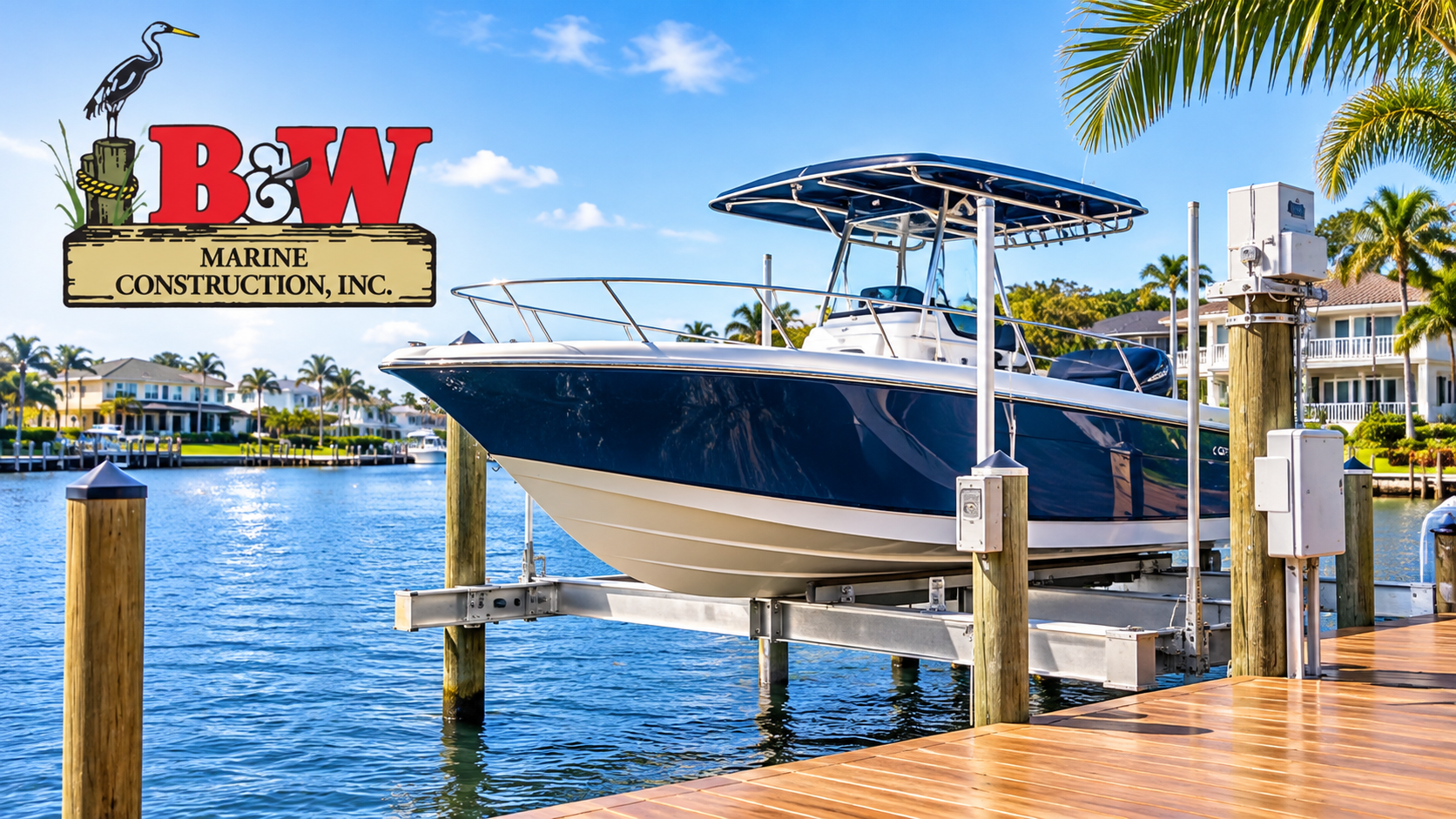
Owning a boat on the First Coast means you spend a lot of time thinking about what happens when you’re not on the water. A boat that sits in the water around the clock collects growth, takes a beating from wakes and weather, and wears out faster than one that’s lifted out. A properly installed lift protects your investment and makes every trip easier. If you’re researching boat lift installation in Neptune Beach, here’s how to plan the project, what site factors matter, and what a good installation process looks like.
Why a Lift Is Worth Considering
- Less marine growth on the hull, which means less cleaning and bottom painting
- Protection from wakes and rubbing against the dock or pilings
- Easier maintenance and inspection, since the boat is out of the water
- Faster, simpler launching when you’re ready to go
- Better protection during storms, when properly secured
A lift doesn’t replace storm preparation, but it makes the process more manageable.
Choosing the Right Type of Lift
Piling-Mounted Lifts
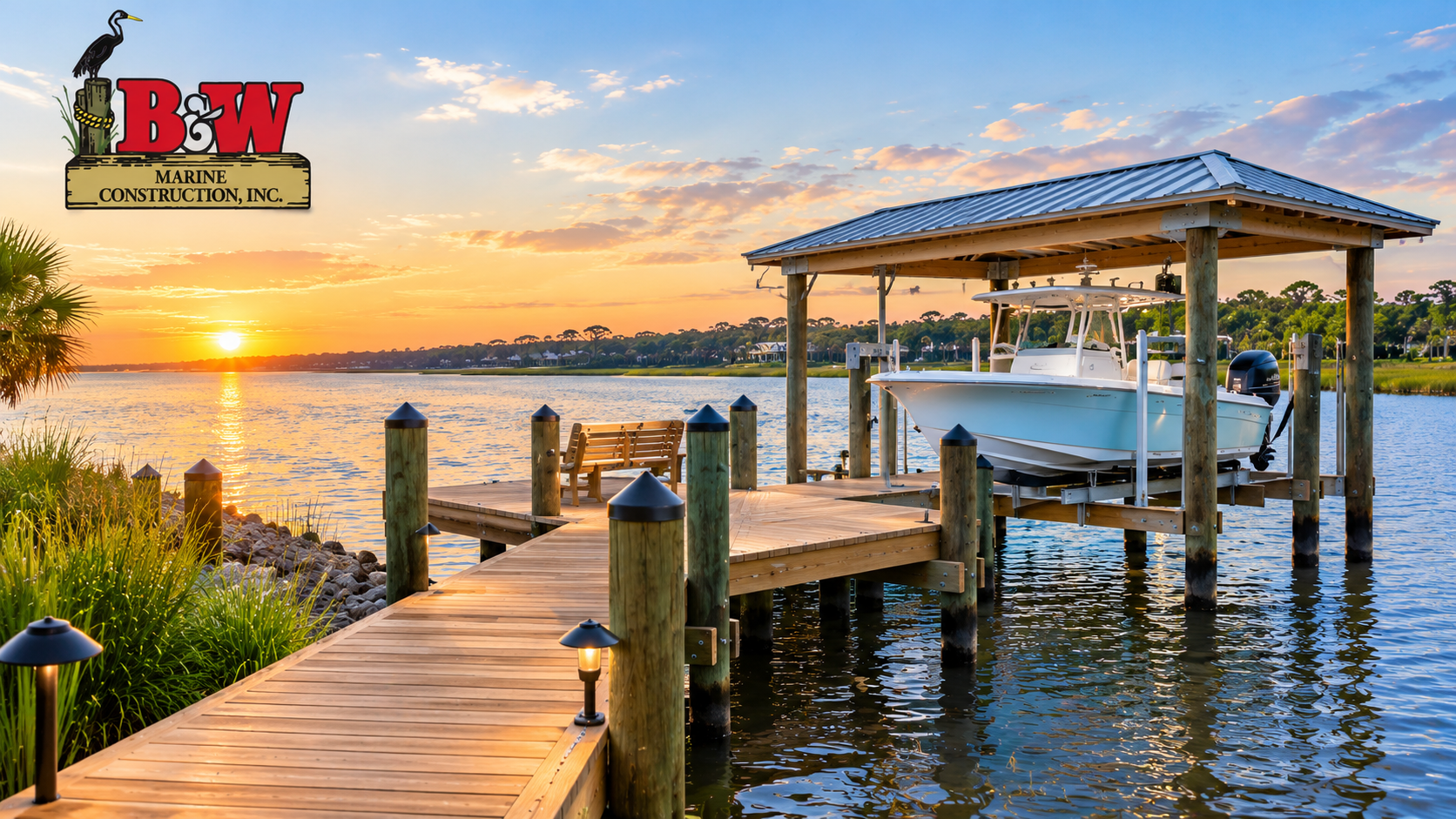
These attach to pilings and are common on fixed docks where the water depth and bottom conditions support them.
Floating Lifts
These sit in the water and can suit sites where driving pilings isn’t practical or where flexibility is needed.
Hydraulic and Cable Systems
Lifts can use hydraulic or cable-driven mechanisms. Each has advantages in operation, maintenance, and cost, so a builder should explain the tradeoffs for your boat and site.
Specialty Lifts
Personal watercraft lifts and other configurations exist for different vessels, so match the lift to what you actually own.
Sizing Matters More Than People Think
A lift should be rated for the boat’s full weight, including fuel, gear, and any accessories, with a reasonable margin. Also consider the boat’s length, beam, and hull shape, since cradle design and bunk placement affect how well the boat is supported. An undersized lift is a safety and reliability problem, so don’t guess.
Site Factors for Neptune Beach Waterfront Properties
Water Depth and Tides
Depth at low tide determines whether a lift will work and how it needs to be designed. Ask your installer to evaluate your site across the tidal range.
Bottom Conditions
Soil and bottom type affect piling selection and installation. Poor conditions can change the approach.
Wakes and Boat Traffic
Waterways with frequent traffic expose lifts to repeated wake action, which affects design, securing, and wear.
Salt and Brackish Water
Coastal water is hard on metal. Corrosion-resistant materials, protective coatings, and good hardware choices matter for a long service life.
Dock Condition and Layout
The existing dock and pilings should be assessed to make sure they can support the lift, or whether reinforcement or new pilings are needed.
Power and Controls
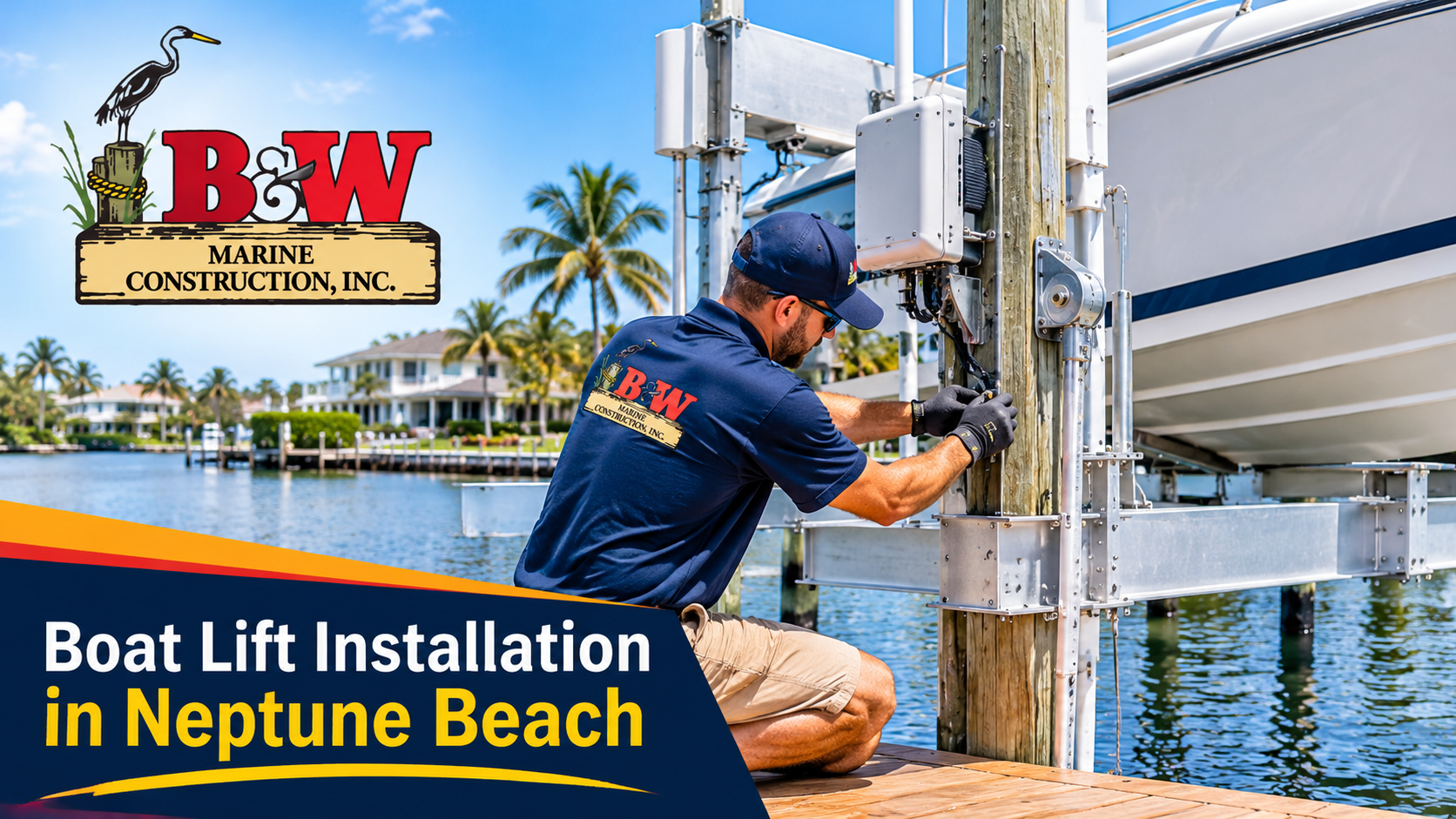
Most lifts rely on electric motors or pumps. Electrical work near water needs to be done to code with marine-appropriate components and proper protection. Ask who handles the electrical installation and how it’s inspected.
Permits and Approvals
Waterfront structures typically need approvals, and the agencies involved depend on your location, waterway, and the scope of work. Ask your installer which permits apply, who submits them, and how long they usually take. Requirements change, so confirm with the relevant authorities.
What a Good Installation Process Looks Like
- Site visit and assessment of depth, bottom, dock, and boat
- Lift recommendation with clear reasoning
- Written proposal covering equipment, installation, electrical, and permits
- Permitting, if required
- Installation by a qualified crew
- Testing and walkthrough, including operation and safety basics
- Follow-up and maintenance guidance
Questions to Ask Your Installer
- What lift type and capacity do you recommend, and why?
- How will you handle my site’s depth and bottom conditions?
- Who manages permits and electrical work?
- What materials resist corrosion in this water?
- What warranty do you provide, in writing?
- What maintenance will my lift need?
Plan for Maintenance From Day One
Even a well-installed lift needs periodic inspection of cables or hydraulics, motors, hardware, and corrosion. A regular schedule extends its life and catches small issues early.
Final Thoughts
A boat lift works best when it’s matched to your boat, your site, and your waterway, and installed by a crew that understands coastal conditions. Take time to evaluate sizing, materials, electrical safety, and permitting before you commit.
If you’re planning a lift for your waterfront, BW Marine Construction offers boat lift installation for waterfront properties in the Jacksonville area, including Neptune Beach.
Frequently Asked Questions
1. How do I know what lift capacity I need?
Start with your boat’s full loaded weight, including fuel and gear, then add a safety margin. Your installer can confirm.
2. Do I need a permit?
Often, yes. Requirements depend on your location and waterway, so ask your installer.
3. Which lift type is best?
It depends on your boat, site, and budget. A good installer will explain the options.
4. How long does installation take?
It varies with permitting and site conditions, so ask for a realistic estimate.
5. How often does a lift need maintenance?
Regular inspections, often annually or more in harsh conditions, help prevent problems.