Boat Lift Installation Neptune Beach: Everything Homeowners Need to Know
If your boat spends most of its time sitting in the water, you already know the problem. Barnacles collect on the hull, bottom paint wears down, and every storm warning means a scramble to secure the dock. That is why boat lift installation in Neptune Beach is such a popular upgrade for waterfront homeowners. A lift keeps your boat out of the water, protects your investment, and lets you head out with the flip of a switch. Here is what to know before you start.
Why Homeowners Choose a Boat Lift
The biggest benefit is protection. A boat that stays in saltwater or brackish water is constantly exposed to marine growth and corrosion. A lift keeps the hull dry between trips, which can reduce hull cleaning, cut down on bottom painting, and extend the life of your vessel.
There is also the convenience. Without a lift, you may pay for marina storage or deal with trailering every time you want to go out. With one at your own dock, your boat is ready whenever you are.
Types of Boat Lifts
Not every lift suits every boat or property. The most common options include:
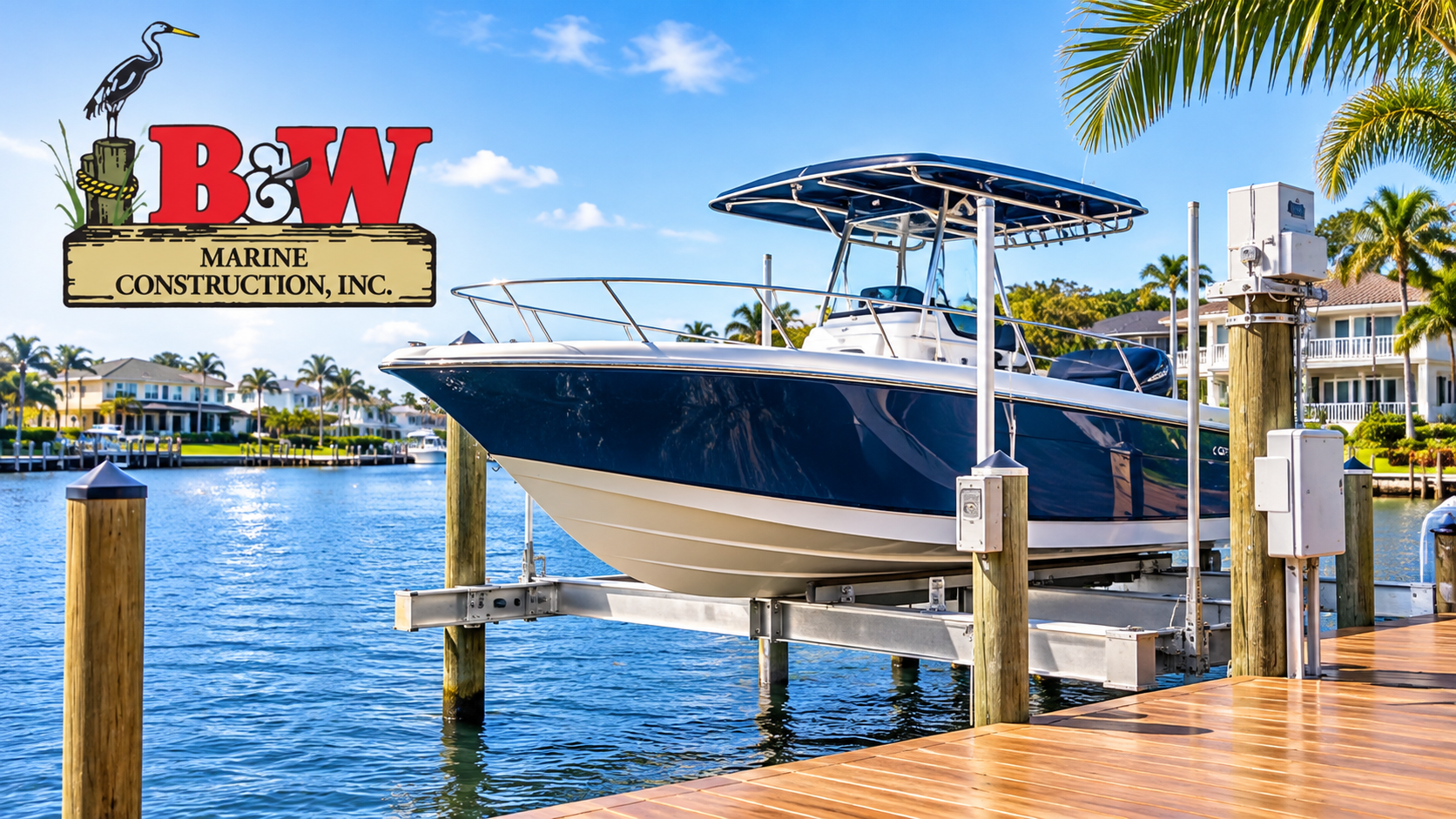
Cradle lifts support the boat from underneath and work well for many powerboats, fishing boats, and pontoons.
Floating lifts work in places where fixed pilings are not practical.
Personal watercraft lifts are built for jet skis and other smaller craft.
Specialty lifts are designed for larger vessels, such as yachts, sailboats, and catamarans.
Water depth, tide range, and the shape of your hull all affect which style makes sense. A good installer will look at your actual setup rather than pushing a one-size-fits-all solution.
Getting the Size Right
Lift capacity is one of the most important decisions. Don’t use the boat’s dry weight alone. Add fuel, water, gear, and anything else you carry on board, then choose a lift with comfortable capacity above that total. An undersized lift wears out faster and can become a safety risk.
Your installer will also consider the boat’s length, beam, and draft, along with the depth at your dock, to make sure the lift fits the space and works at low tide.
Permits and Approvals
This is the part many homeowners overlook. Work over or in the water is regulated, and a new boat lift can require more than one approval. Depending on your property, that may include the Florida Department of Environmental Protection, the U.S. Army Corps of Engineers, and local building or electrical permits. Requirements vary by location and by whether you are adding a new lift or replacing an existing one.
Rules change, so confirm what applies to your property before work begins. An experienced local marine contractor can tell you what is needed and help guide the paperwork, which saves time and avoids costly surprises.
Power, Materials, and Coastal Conditions
Most lifts need a safe, properly installed electrical supply, so plan for that early. The materials matter too. Saltwater is hard on equipment, so look for corrosion-resistant construction, such as marine-grade aluminum and quality hardware, along with solid warranties. A lift that is cheaper upfront can cost more if it corrodes or needs frequent repairs.
What About Cost?
Boat lift prices vary widely. The main factors are the boat’s weight, the type of lift, site conditions, electrical work, and any permitting involved. Because every property is different, the most reliable way to get a real number is a detailed estimate based on your dock and your boat. Ask for that estimate in writing, and make sure it spells out what is included.
What the Installation Process Looks Like
Most projects follow a similar path. It starts with a site visit and consultation, followed by choosing the right lift and getting a written proposal. Next comes permitting, if needed, then scheduling and installation. After the lift is in place, the installer should test it, walk you through operation, and explain basic maintenance.
Keeping Your Lift in Good Shape
A little regular care goes a long way. Rinse components, check cables and hardware, and watch for signs of wear or corrosion. If something sounds or feels off, have it looked at early. If you ever need service on an existing lift, a local team can handle boat lift repair before a small problem turns into a big one.
Choosing the Right Installer
Look for a licensed contractor with local marine experience and a clear estimate. Ask what brands they install, what warranties come with the lift, and how they handle permits. Reviews from other homeowners can also tell you a lot about how a company communicates and finishes a job.
If you are planning a boat lift for your property, B&W Marine Construction installs custom lifts for everything from personal watercraft to large yachts and offers free estimates. Reach out to talk through your boat, your dock, and the right lift for both.