Dock Inspection Best Practices for Safe and Durable Waterfront Structures
The waterfront docks are constantly subjected to water movement, extreme weather, and environmental stress in the long term. These forces gradually erode the strongest marine structures and, over time, regular maintenance becomes a necessity in order to keep them safe and sustainable. A properly maintained dock is important whether it is used in residential access, boating, or a commercial operation to prevent any accidents and maintain the value of the property.
And this is where dock inspection is a necessary thing. The organized and systematic inspection helps identify early indicators of damage, corrosion, or instability before they escalate into costly maintenance or safety issues. A proper inspection schedule helps keep waterfront structures strong, stable, and reliable over the years.
Why Routine Dock Inspections Are Essential for Waterfront Safety
Frequent inspection of dock conditions is no ordinary maintenance. It is a safety necessity in waterfront environments.
Dock inspections are important as they can help:
- Preemption of structural weaknesses preceding failure.
- Minimizes the risk of accidents, falls, and slips.
- Helps assure adherence to safety standards.
- Prolongs the useful life of docks.
- Avoids expensive repair of emergencies.
Regular maintenance and care ensure long-term service performance and safety. Minor wear can easily develop into major structural damage unless it is taken care of. Dock inspection should be part of routine maintenance programs to maintain the security, stability, and functionality of waterfront structures under any circumstances.
Key Benefits of Professional Marine Construction for Shoreline Stability
Marine construction is crucial for maintaining strong, durable, and environmentally resilient docks and waterfronts. The concept of expert engineering can also lead to increased performance of the shoreline on a long-term basis and enhance safety.
Structural Strength Against Harsh Water Conditions
The professional marine construction sees to it that docks are constructed to resist the waves, tides, and constant water exposure. Excellent design minimizes premature wear and tear and failure. Professional dock inspection can also assist in ensuring that building standards are being adhered to in the long term.
Custom-made support systems evenly distribute pressure throughout the structure. This reduces situations of stress and increases the overall performance of changing water situations.
Enhanced Shoreline Protection and Erosion Control
Sloping shore erosion may slowly erode the dock and the surrounding land build-ups. The construction that occurs on a professional level has protective features, which minimize soil erosion and water effects.
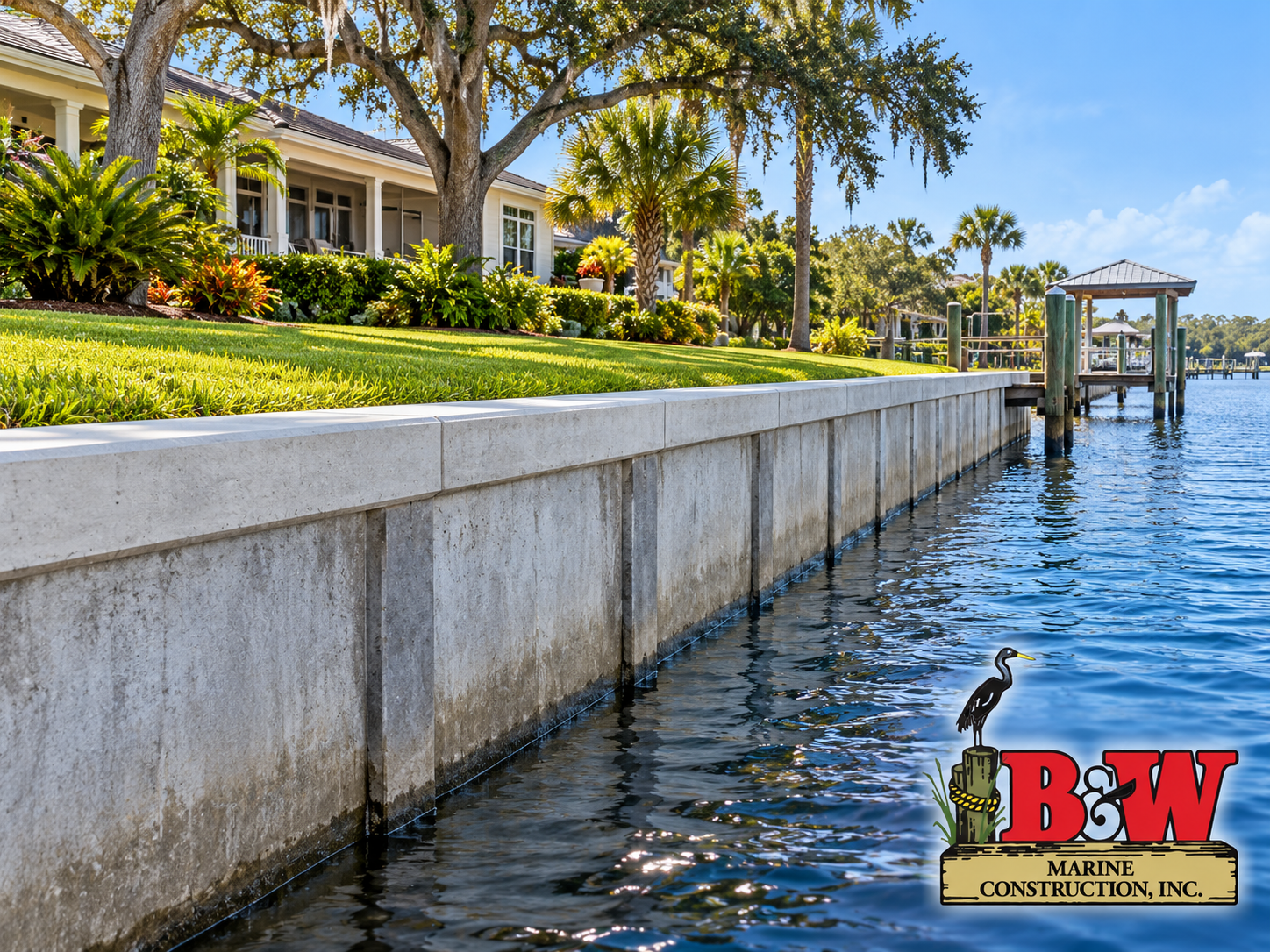
It is possible that during dock inspection, signs of erosion can be detected at an early stage, avoiding prolonged shoreline erosion and its costly restoration. Bulkheads and retaining structures are some of the strategic reinforcements that conserve natural shoreline and maintain dock life.
Improved Safety and Load-Bearing Capacity
The safe docks should be able to promote the foot traffic as well as the heavy loads, like boats and equipment. Professional constructions guarantee acceptable load-balancing and structural stability.
An inspection of the dock should show a precise weight consideration that the weight-bearing parts are safe and do not hide any damage. The framing, quality materials, and reinforced framing minimize the chances of collapse or instability. All waterfront activities are safe when using it.
Advanced Materials and Engineering Precision
The construction of marine vessels nowadays is based on modern materials that are resistant to corrosion, devastating, and environmentally friendly. These have a great effect on improving the lifespan of docks.
Proper inspection of docks is a frequent procedure so that these materials continue to work as desired under practical circumstances. Accuracy engineering and superior-quality material yield tougher and more trustworthy waterfront design and construction towards long-term durability.
Key Areas to Inspect During a Dock Evaluation
An appropriate dock assessment makes sure that all the structural elements are operating safely and effectively.
Support Posts and Foundation Stability
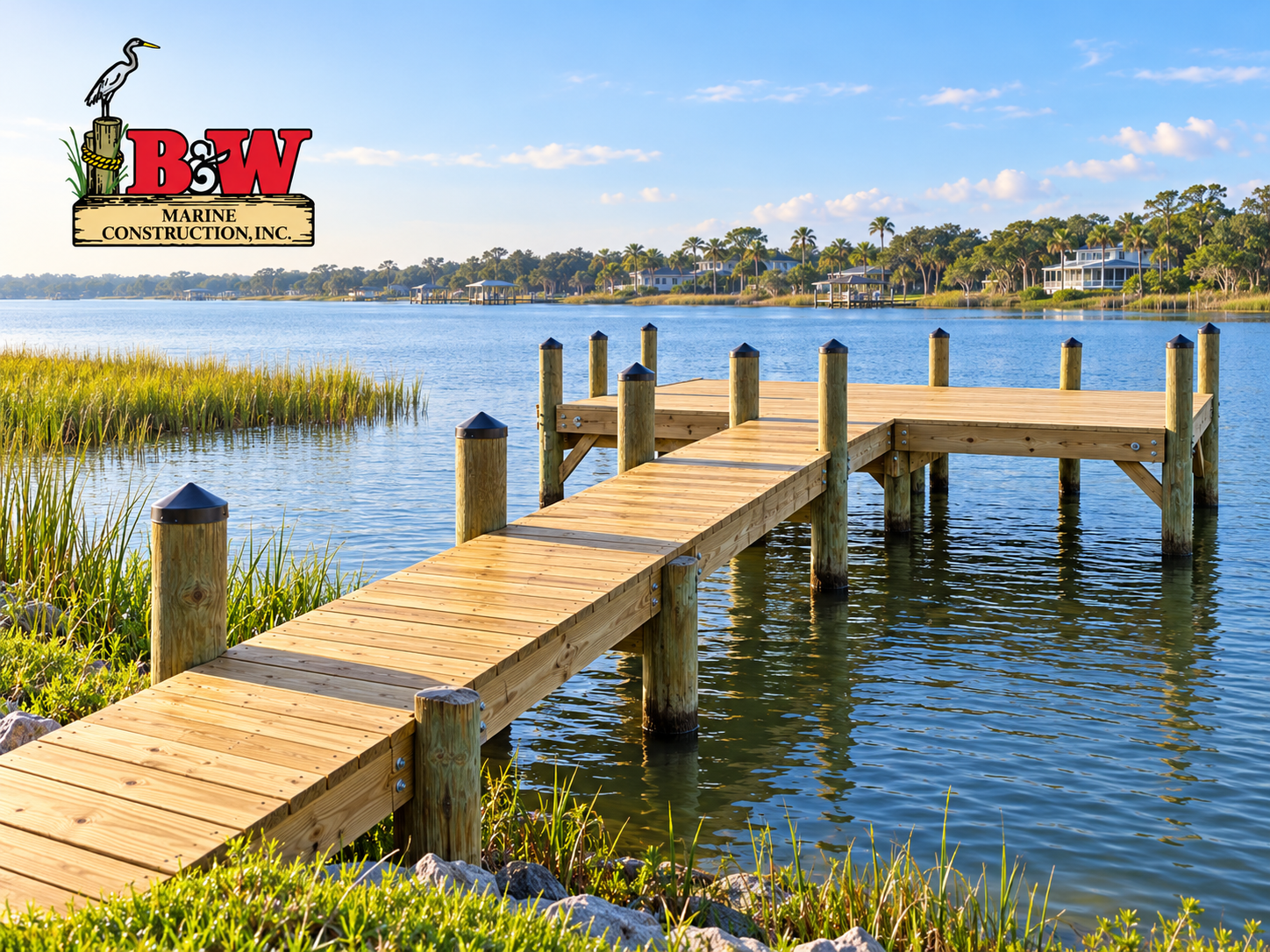
The basic support infrastructure of any dock structure is the support structures. A dock inspection always starts here in order to find any shifting, cracking, or rot.
Decking Surface and Walking Areas
The surface walking on should be stable and risk-free. When inspecting the dock, pay attention to any warping, loose boards, or any slippery build-ups.
Fasteners, Bolts, and Metal Hardware
Metal parts can easily corrode and thus wear out. Dock inspection was ensured to identify rust, loose bolts, and weakening of joints.
Floatation Systems and Buoyancy Support
The floating docks are supported by closed buoyant units. Dock inspection finds leaks, imbalances, or structural drift. Failure of the flotation systems may result in non-uniform surfaces and dangerous docking situations.
Access Points and Connecting Walkways
There is high stress and usage of gangways and ramps. Dock check ensures that the hinges, rail, and connecting parts are safe. Access points should be well-maintained so that access and exit can be safe for all users.
Final Thoughts
Regular repairs and professional dock inspections are very important in keeping the safety and life of any waterfront building intact. Structural support to surface conditions, all elements contribute to the overall performance of the dock.
For reliable craftsmanship, expert guidance, and long-lasting waterfront solutions, trust B&W Marine Construction. Contact us today for expert dock inspection and maintenance services, as your waterfront deserves nothing less!
Frequently Asked Questions
What is the best season to schedule a dock inspection?
The best time to do it is spring and fall since the weather shows the structural damage caused by winter or storms.
How long does a typical dock inspection take?
The average time spent on residential dock inspection is one to three hours, based on the size and complexity of structures.
Are permits required for dock repairs after inspection?
Yes, larger repair work in most cases needs local permits, which may hinge on the rules of environmental regulations and jurisdiction of the waterfront.
Can weather exposure alone damage a dock over time?
Yes, sun, rain, saltwater, and wind all the time slowly weaken the materials without even the stress of heavy usage.
Do professional inspectors check electrical systems on docks?
Yes, they do check lighting, wiring, and power connections to make sure that even in wet places they will operate safely.