Seawall Contractor Near Me: How to Choose the Right Contractor for Your Property
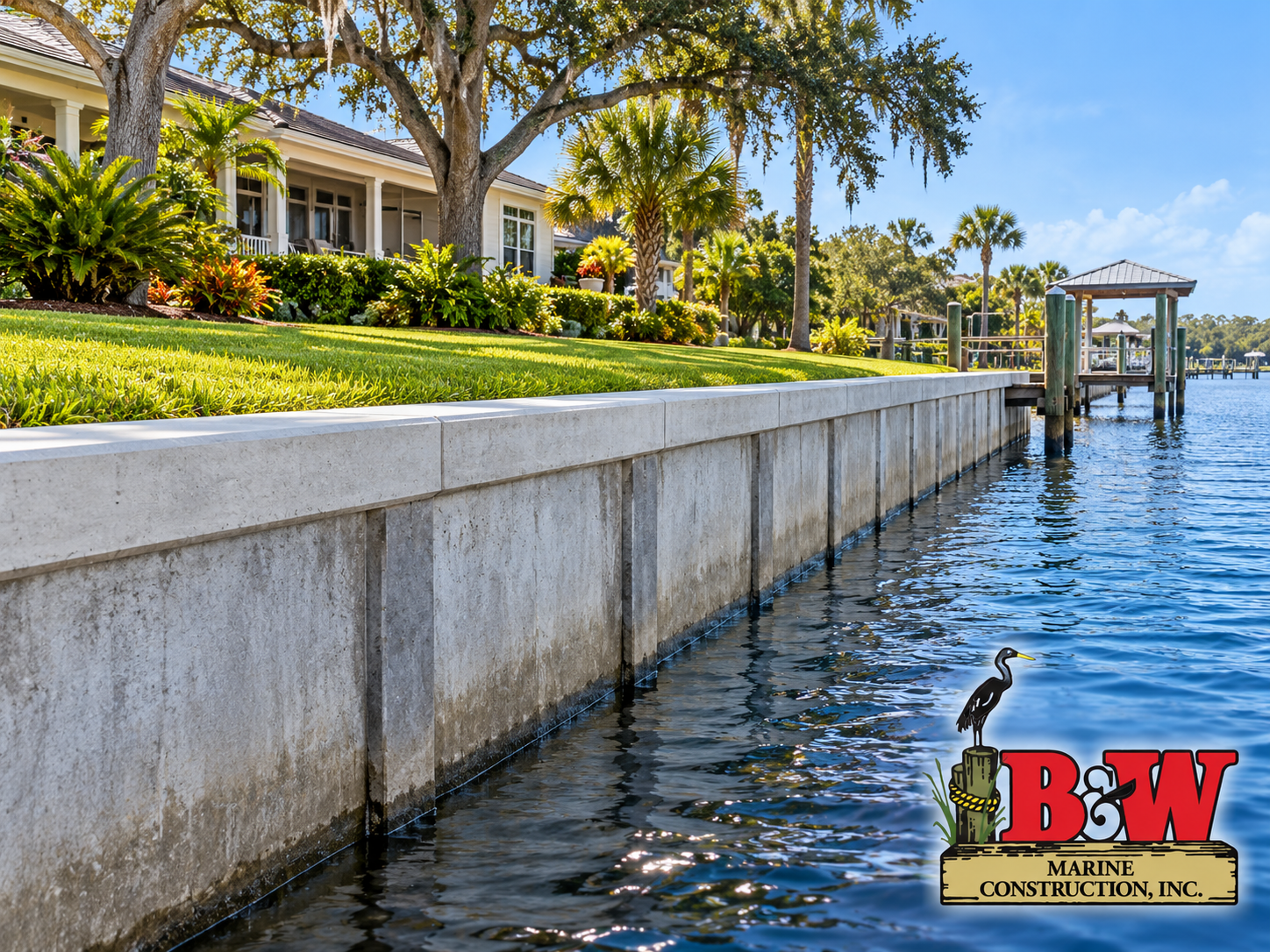
If you own waterfront property, a seawall isn’t just a landscaping feature, it’s what stands between your land and ongoing erosion, tidal movement, and storm surge. When it’s time for repairs, replacement, or a brand-new installation, searching for a seawall contractor near me is usually the first step, but the results that come back can vary wildly in experience, quality, and pricing.
Choosing the wrong contractor for a project this important can lead to costly problems down the line, sometimes literally, if the work doesn’t hold up against water pressure and erosion over time. Here’s what to actually look for before hiring.
Why Seawall Work Isn’t a Job for Just Any Contractor
Seawalls face constant pressure from water, soil movement, and weather, which makes them fundamentally different from most other property construction projects. A poorly built or improperly repaired seawall can fail gradually, leading to erosion, foundation issues, or even property loss over time. This is why experience specifically in marine construction matters far more here than general contracting experience.
What to Look for in a Seawall Contractor
Marine Construction Experience Specifically
General contractors may be skilled at many types of projects, but seawalls require specialized knowledge of water dynamics, soil behaviour, and materials designed to withstand constant exposure to water. Look for a contractor whose primary focus, or at least a significant portion of their work, is specifically in marine or waterfront construction.
Proper Licensing and Insurance
Given the scale and environmental complexity of seawall projects, proper licensing and insurance aren’t optional details, they’re essential protections for you as the property owner. Always confirm this before signing any agreement.
Local Knowledge of Your Waterway
Water conditions, soil composition, and regulatory requirements can vary significantly depending on your specific location, even within the same general region. A contractor familiar with your local waterway, tidal patterns, and permitting process is better equipped to design a seawall suited to your property’s actual conditions.
A Clear, Detailed Proposal
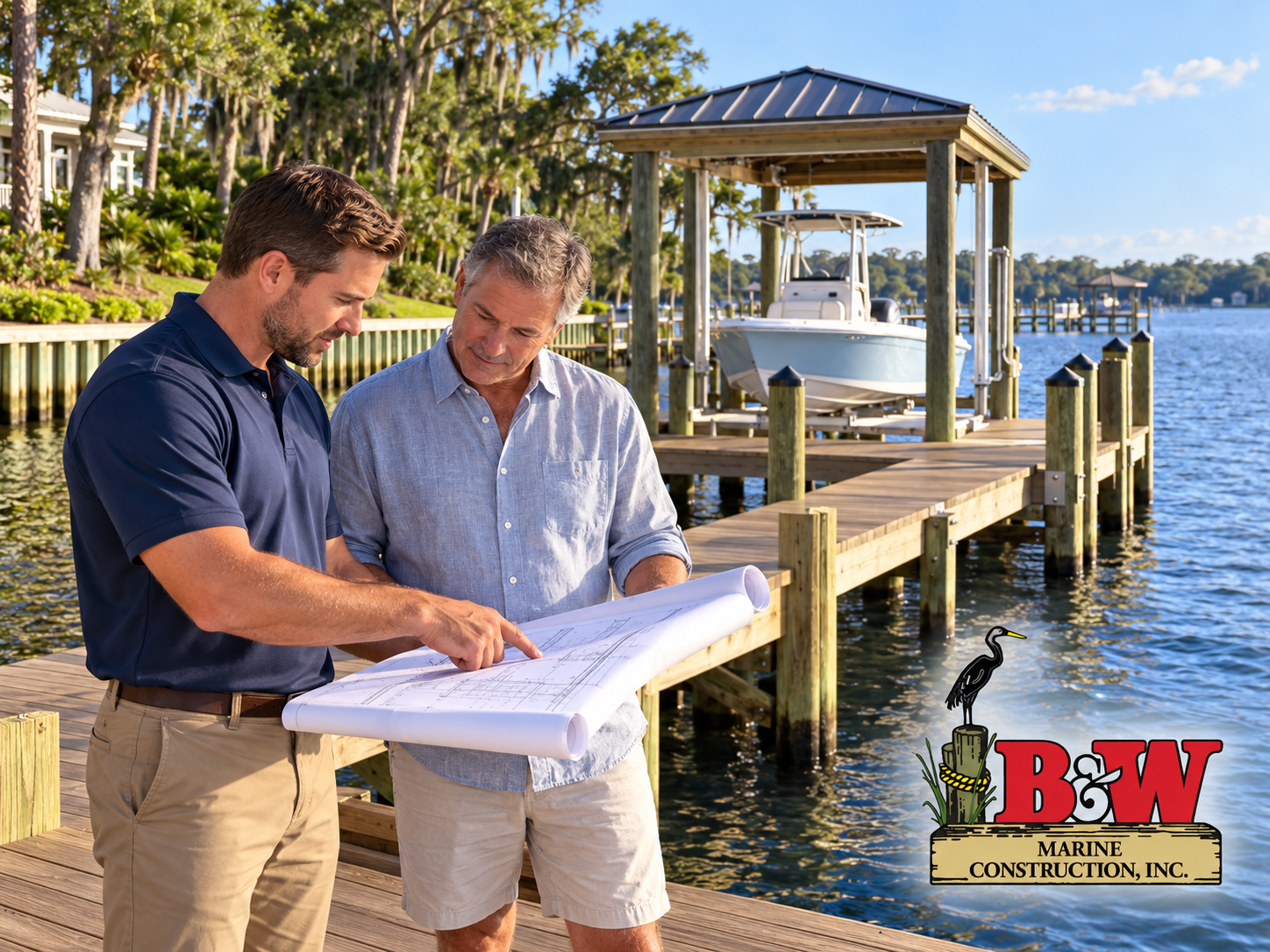
A reputable contractor should be able to walk you through the materials they plan to use, the expected timeline, and a clear cost breakdown, rather than offering a vague estimate with limited detail. If a contractor is hesitant to explain their approach clearly, that’s worth taking note of.
Permitting Experience
Seawall construction typically requires permits from local and sometimes state or federal authorities, particularly when work affects protected waterways. An experienced contractor should be familiar with this process and able to guide you through it, rather than leaving you to navigate permitting requirements alone.
Questions to Ask Before Hiring
Before committing to a contractor, it helps to ask a few direct questions:
- How many seawall projects have you completed in this area specifically?
- What materials do you recommend for my property, and why?
- Who handles the permitting process, you or me?
- What’s the expected timeline from start to completion?
- Can you provide references from past seawall clients, not just general construction work?
Vague or evasive answers to any of these are worth treating as a red flag.
Red Flags to Watch Out For
A few warning signs can indicate a contractor may not be the right fit for a seawall project:
- Little to no verifiable experience specifically with seawalls or bulkheads
- Reluctance to provide a detailed, written proposal
- No mention of permitting requirements or willingness to handle them
- Pressure to sign quickly without time to review the proposal or compare other options
- Lack of local references or completed projects you can actually see
Why Local Experience Matters More Than National Reach
A seawall contractor with deep local experience understands the specific water conditions, soil types, and regulatory environment relevant to your property. This local knowledge often translates into a more accurate assessment of what your seawall actually needs, rather than a generic solution that may not hold up well against your area’s specific water and weather patterns.
Final Thoughts
Choosing the right seawall contractor comes down to prioritizing specialized marine construction experience, proper licensing, and local knowledge over simply picking the first name that comes up in a search. Given how much is riding on a seawall functioning properly for years to come, it’s worth taking the time to vet a contractor thoroughly before moving forward.
If you’re searching for an experienced, local option, B&W Marine Construction offers seawall and bulkhead construction services built around the specific needs of Jacksonville waterfront properties.
Frequently Asked Questions
1. How do I know if my seawall needs repair or full replacement?
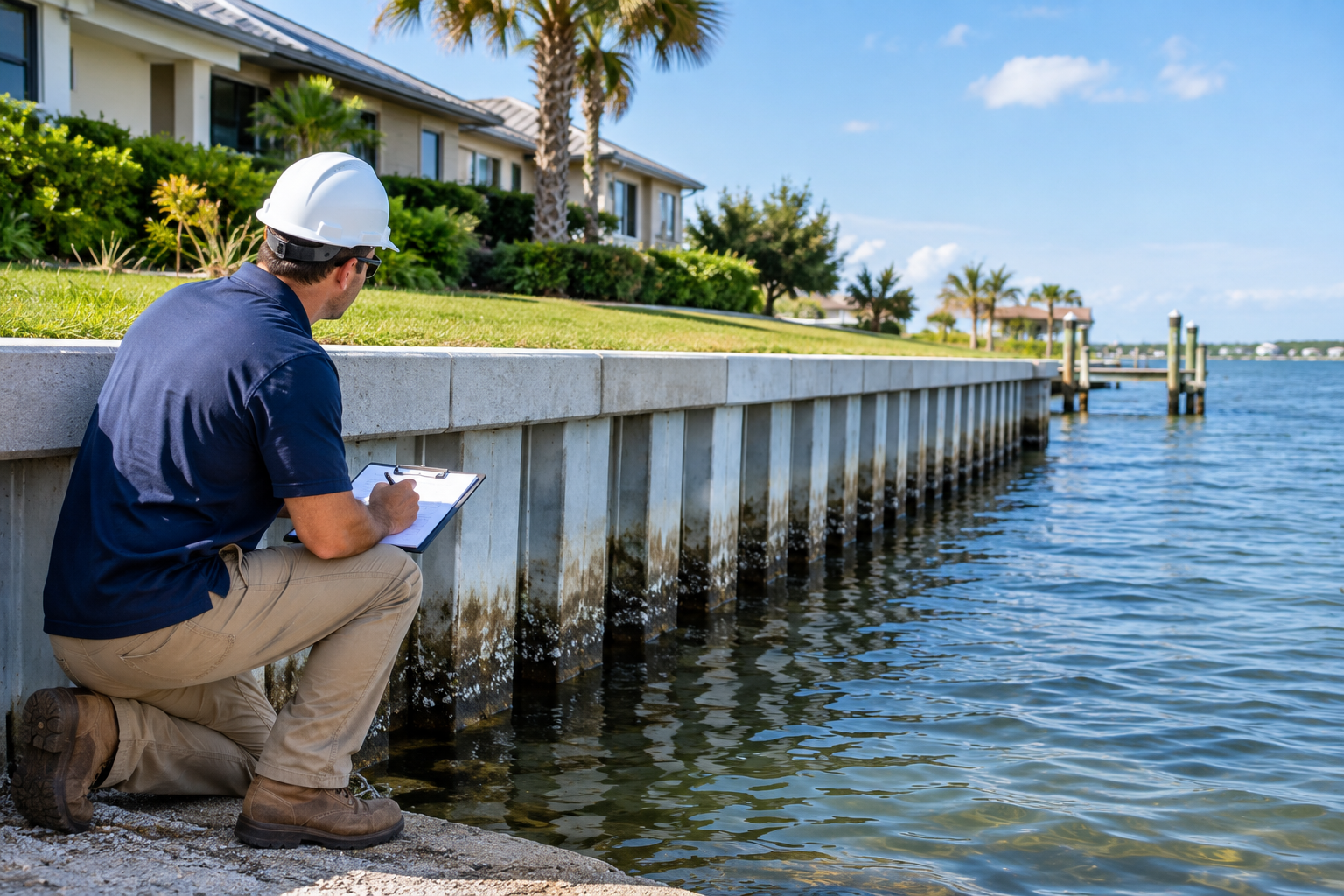
Signs like visible cracking, leaning, erosion behind the wall, or gaps forming often indicate a problem, but a professional inspection is the most reliable way to determine whether repair or full replacement is the right approach.
2. How long does seawall construction typically take?
Timelines vary based on the length of the wall, materials used, and permitting requirements, but most residential seawall projects take anywhere from a few weeks to a couple of months from start to finish.
3. Do I need a permit to repair or replace a seawall?
In most cases, yes. Seawall work often requires permits due to its impact on waterways, and an experienced local contractor should be familiar with this process.
4. What materials are commonly used for seawall construction?
Common materials include concrete, vinyl, steel, and treated wood, each with different durability, cost, and maintenance considerations depending on your specific property and water conditions.
5. How much does hiring a seawall contractor typically cost?
Costs vary significantly based on the length of the seawall, materials chosen, and site conditions, so it’s best to get a detailed, itemized proposal from a qualified contractor rather than relying on a rough estimate.